
Cet article a été regroupé avec un guide plus complet : Sécurité Incendie Industrielle : Pratiques Essentielles pour la Protection au Travail.
Table des matières
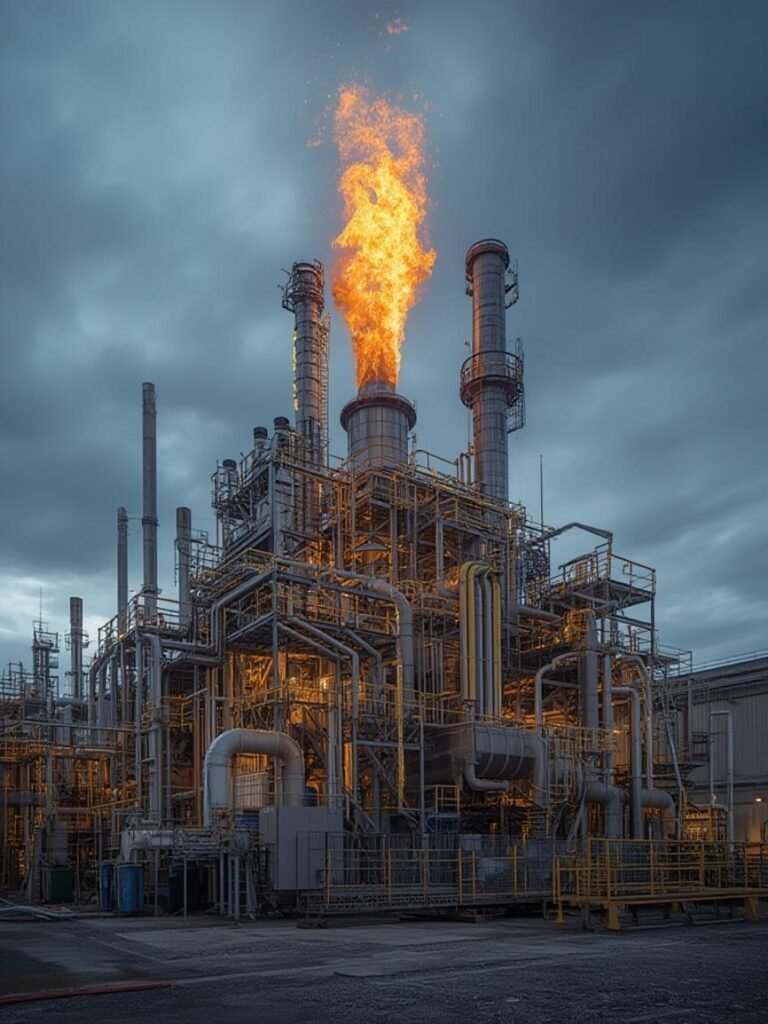
Introduction à la protection incendie industrielle
Dans les environnements industriels — où travaux à chaud, poussières combustibles, liquides inflammables et machines à haute énergie coexistent souvent — la gestion du risque incendie doit être systématique, mesurable et alignée sur les meilleures pratiques reconnues. Une stratégie résiliente combine prévention, détection précoce et intervention rapide, appuyée par des audits et une maintenance documentée. Pour de nombreux sites, le moyen le plus rapide d’obtenir de meilleurs résultats consiste à associer une planification spécifique au site à des références fiables : la protection incendie industrielle soutient des programmes pilotés par le risque, tandis que les référentiels des systèmes d’extinction incendie garantissent que les dispositifs techniques fonctionnent lorsque chaque seconde compte. Cet article détaille une démarche pratique, étape par étape, applicable aux entrepôts, usines, sites énergétiques et lignes de production, sans sacrifier la continuité opérationnelle.
Instructions étape par étape
1) Réaliser une évaluation du risque incendie (ERI) tenant compte des process
Cartographiez les dangers par zone (production, stockage, utilités) et par tâche (soudage, transfert de solvants, charge de batteries). Documentez les sources d’inflammation, les charges combustibles, la ventilation et l’occupation. Incluez les dangers particuliers comme les collecteurs de poussières, cabines de peinture et convoyeurs fermés. Utilisez les données d’incidents, les presqu’accidents et les registres de maintenance pour quantifier l’exposition.
2) Classer les dangers et définir des objectifs de protection
Traduisez l’ERI en objectifs clairs : sécurité des personnes, protection des biens, continuité d’activité et protection environnementale. Attribuez des catégories de danger (opérations avec liquides inflammables, stockage en hauteur, locaux électriques) et déterminez le temps d’arrêt acceptable. C’est à cette étape que les critères de performance deviennent mesurables (temps de détection, densité de déversement, temps d’intervention).
3) Sélectionner les dispositifs techniques et vérifier la conformité réglementaire
Choisissez la détection (fumée/chaleur/flamme, systèmes par aspiration), le compartimentage (murs et portes coupe-feu) et une alarme adaptée au bruit ambiant et à la configuration des lieux. Pour l’extinction, adaptez l’agent au danger : sprinklers pour de nombreuses zones industrielles générales, mousse pour les risques hydrocarbures, agents propres pour les locaux électriques sensibles, et systèmes d’application locale pour les machines. Coordonnez la conception avec des références fiables ; par exemple, la planification de protection incendie industrielle peut être renforcée par une conception normative des systèmes d’extinction incendie tenant compte de l’occupation, de la hauteur sous plafond, des obstructions et des contraintes d’alimentation en eau.
4) Concevoir pour la fiabilité : eau, énergie et redondance
Validez la disponibilité en eau (débit, pression, durée), la capacité de la pompe incendie et l’alimentation de secours. Vérifiez la supervision des vannes, la surveillance du manque d’air (pour les systèmes secs/préaction) et la logistique de remplissage des réservoirs. L’ingénierie de fiabilité compte : de nombreuses défaillances proviennent de vannes fermées, de pompes défectueuses ou de tests négligés plutôt que d’un défaut de conception.
5) Mettre en place des contrôles organisationnels et une gouvernance des travaux à chaud
Les mesures opérationnelles réduisent la fréquence d’inflammation : permis de travail pour les travaux à chaud, stockage contrôlé des combustibles, routines de rangement pour limiter l’accumulation de poussières et d’emballages, et maintenance préventive des moteurs, roulements et tableaux électriques. Créez des listes de contrôle simples que les responsables peuvent appliquer quotidiennement.
6) Former les équipes et organiser des exercices proches des conditions réelles
Formez selon les rôles : opérateurs (première intervention et évacuation), maintenance (défaillances et consignations de systèmes), HSE (documentation et rapports), sécurité (alarmes en dehors des heures de travail). Organisez des exercices basés sur des scénarios : issue de secours bloquée, incident en salle de charge de chariots élévateurs, inflammation d’un déversement de solvant, ou flash de poussière. Suivez des indicateurs de performance (temps d’évacuation, clarté de la communication).
7) Mettre en place l’inspection, les essais et la maintenance (IEM) avec des indicateurs clés
Construisez un calendrier IEM pour la détection, les alarmes, les pompes, les vannes et l’extinction. Fixez des indicateurs comme « % d’IEM réalisés à temps », « défaillances ouvertes > 24 heures » et « taux de fausses alarmes ». Analysez les tendances chaque mois. L’amélioration continue est ce qui permet aux bons programmes de le rester.
Conseils
– Privilégiez une protection en couches, pas une solution unique : prévention + détection + extinction + intervention d’urgence offrent la meilleure résilience.
– Concevez pour vos scénarios « les plus probables » et « les plus sévères » : un petit défaut électrique et un grand incendie de liquide inflammable exigent des hypothèses de planification différentes.
– Documentez les défaillances et les mesures compensatoires : si un système est hors service, définissez des rondes de surveillance, une détection temporaire et des restrictions d’exploitation.
– Rendez le rangement mesurable : attribuez des zones, une fréquence et des critères d’acceptation (surtout dans les zones à forte présence de poussières ou d’emballages).
– Intégrez la sécurité incendie dans la gestion du changement : toute nouvelle machine, modification de rayonnage ou produit chimique de process doit déclencher une revue de la protection.
Méthodes alternatives
– Conception basée sur la performance : pour les sites complexes (stockage automatisé en hauteur, tunnels, dangers spécifiques), cette approche peut optimiser les résultats en modélisant la propagation du feu, le mouvement des fumées et l’évacuation. Elle peut être rentable mais nécessite une expertise et une validation solide.
– Extinction localisée à la source : les enceintes de machines-outils, systèmes CNC ou groupes hydrauliques peuvent bénéficier de systèmes ciblés qui stoppent un feu avant qu’il ne se propage.
– Détection renforcée pour une alerte précoce : la détection de fumée par aspiration ou les détecteurs multicritères peuvent réduire le délai d’alarme dans les environnements difficiles (fort débit d’air, poussière ou variations de température).
– Amélioration de la protection passive : les traversées coupe-feu, revêtements de câbles et améliorations du compartimentage offrent souvent un excellent retour sur investissement en limitant la propagation du feu et en protégeant les actifs critiques.
– Maintenance pilotée par les données : la surveillance conditionnelle (thermographie, analyse vibratoire) aide à prévenir l’inflammation due à des composants défaillants et soutient la maintenance prédictive.
Conclusion
Une stratégie incendie industrielle solide ne repose pas sur un seul produit, mais sur un système reproductible : évaluer le risque, aligner les objectifs, concevoir des dispositifs techniques, former les équipes et maintenir un état de préparation avec des indicateurs mesurables. Lorsque votre programme associe une planification fiable à une conception et un entretien normatifs des systèmes d’extinction incendie, vous réduisez la probabilité d’incident, minimisez les arrêts et protégez à la fois le personnel et la production. Traitez la sécurité incendie comme une discipline opérationnelle, et votre site sera mieux préparé aux risques auxquels il fait face chaque jour.
Besoin d’une solution de protection incendie industrielle adaptée à votre site ? Découvrez nos services de sécurité incendie ou contactez Fire Safety Algérie pour un accompagnement personnalisé.
Pour en savoir plus, consultez notre sécurité incendie industrielle.
Pour en savoir plus, consultez notre sécurité incendie industrielle.
Sur le même sujet
- Sécurité Incendie dans les Restaurants : Conseils Essentiels pour Protéger Votre Entreprise
- 7 Conseils Indispensables pour la Sécurité Incendie en Restaurant et Cuisine
Ressources officielles
- Direction générale de la Protection civile — autorité compétente en matière de sécurité incendie en Algérie.
- Certification NF Sécurité incendie domestique (AFNOR) — référence française et internationale pour les détecteurs ; sans valeur réglementaire en Algérie.
Ping : Sécurité Incendie IGH : Immeubles de Grande Hauteur