
Cet article a été regroupé avec un guide plus complet : Extincteur CO2 : Guide Essentiel pour une Sécurité Incendie Efficace.
Sommaire
Introduction
La sécurité incendie est primordiale, tant dans les environnements résidentiels que commerciaux. Pour combattre efficacement certains types d’incendies, notamment les feux électriques ou de liquides inflammables, des extincteurs spécialisés sont indispensables. Parmi eux, l’extincteur CO2 est largement reconnu pour son efficacité et sa sécurité. Son composant principal, le dioxyde de carbone, lui permet d’éteindre rapidement les incendies sans laisser de résidus, ce qui le rend idéal pour les zones sensibles comme les data centers, laboratoires et cuisines. Pour ceux qui recherchent une option fiable et respectueuse de l’environnement, l’extincteur au dioxyde de carbone est un excellent choix. Il offre une extinction propre et contrôlée, contribuant à réduire les dommages et à garantir la sécurité. Comprendre comment utiliser et choisir correctement ces extincteurs peut faire toute la différence en cas d’urgence.
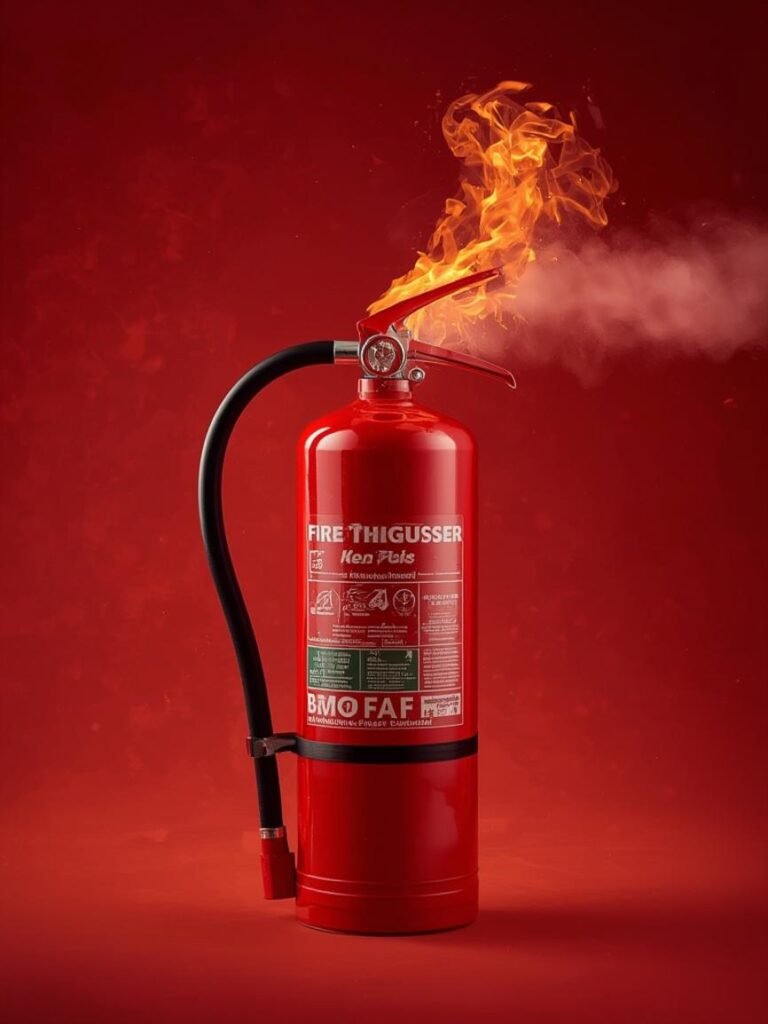
Instructions étape par étape
Utiliser correctement un extincteur CO2 ou un extincteur au dioxyde de carbone est essentiel pour garantir sécurité et efficacité. Voici un guide détaillé pour vous aider à manier ces outils d’extinction en toute confiance.
1. Évaluez la situation
Avant de tenter d’éteindre un feu, évaluez sa taille et son type. Les extincteurs CO2 sont particulièrement efficaces contre les feux électriques ou de liquides inflammables. Si le feu est trop important ou se propage rapidement, appelez immédiatement les secours.
2. Localisez l’extincteur
Identifiez l’extincteur CO2 ou l’extincteur au dioxyde de carbone le plus proche. Ils sont généralement fixés au mur avec une signalétique claire ou dans des postes de sécurité incendie dédiés. Une fois localisé, assurez-vous qu’il est bien chargé et prêt à l’emploi.
3. Préparez l’utilisation
Retirez la goupille de sécurité de la poignée. Tenez l’extincteur droit, en pointant la buse ou la corne vers la base du feu. Il est important de garder une distance sûre — généralement entre 1 et 2,5 mètres selon le modèle.
4. Déclenchez l’extincteur
Pressez la poignée pour libérer le dioxyde de carbone. Utilisez un mouvement de balayage pour couvrir toute la base du feu. L’extincteur CO2 agit en déplaçant l’oxygène et en refroidissant le feu, l’étouffant efficacement.
5. Surveillez le feu
Une fois le feu apparemment éteint, reculez lentement et surveillez la zone pour toute reprise du feu. Ne tournez pas le dos trop tôt. Si le feu redémarre, répétez le processus avec précaution.
6. Évacuez si nécessaire
Si à tout moment le feu devient incontrôlable, évacuez immédiatement et appelez les pompiers. Rappelez-vous : votre sécurité est prioritaire par rapport à la tentative d’éteindre le feu.
Conseils
– Lisez toujours les instructions sur l’extincteur CO2 ou l’extincteur au dioxyde de carbone avant une urgence afin d’être familiarisé avec son fonctionnement.
– Gardez l’extincteur accessible et bien entretenu ; assurez-vous qu’il est inspecté chaque année.
– Utilisez-le dans des zones bien ventilées pour éviter l’accumulation de CO2, qui peut provoquer des difficultés respiratoires.
– N’utilisez jamais un extincteur CO2 sur des feux impliquant des graisses ou huiles de cuisson, car il n’est pas adapté aux feux de classe F.
– Portez un équipement de protection approprié (gants, protection oculaire) pour éviter les blessures dues à la diffusion sous haute pression.
Méthodes alternatives
Bien que l’extincteur CO2 ou l’extincteur au dioxyde de carbone soient très efficaces, d’autres options existent selon la situation :
– Extincteurs à poudre chimique ABC : adaptés à une grande variété de feux, y compris les déchets, le bois et les feux électriques.
– Extincteurs à eau : idéaux pour les feux de combustibles ordinaires ; cependant, ils sont dangereux pour les feux électriques ou d’huile.
– Extincteurs à mousse : utiles pour les liquides inflammables et les feux chimiques, particulièrement en milieu industriel.
Le choix du bon extincteur dépend du type de feu et de l’environnement. Il est toujours conseillé de disposer de plusieurs types d’extincteurs et de veiller à ce que le personnel soit formé à leur utilisation.
Conclusion
Être équipé d’un extincteur CO2 ou d’un extincteur au dioxyde de carbone en bon état de fonctionnement peut considérablement influencer l’efficacité de votre réponse en cas d’urgence incendie. Ces extincteurs excellent dans l’extinction rapide des feux électriques et de liquides inflammables, grâce aux propriétés du dioxyde de carbone. Pensez à bien identifier les situations adaptées à l’usage de ces outils, à suivre les protocoles de sécurité lors de leur utilisation, et à demander de l’aide immédiatement si la situation s’aggrave.
En résumé, maîtriser les techniques d’utilisation d’un extincteur CO2 et comprendre son rôle en tant qu’extincteur au dioxyde de carbone renforce votre engagement envers la sécurité et la préparation. Équipé des bonnes connaissances et du bon matériel, vous pouvez contribuer à limiter les dommages, protéger des vies et garantir un environnement plus sûr pour tous.
Besoin d’un extincteur CO2 fiable pour votre entreprise ou votre domicile ? Découvrez notre gamme d’extincteurs ou contactez Fire Safety Algérie pour un conseil adapté.
Besoin d’un accompagnement sur site ? Découvrez nos services d’installation et de maintenance en sécurité incendie, partout en Algérie.
Sur le même sujet
Ressources officielles
- Certification NF Extincteurs (AFNOR) — référence française et internationale ; elle n’a pas valeur de réglementation en Algérie.