
Table of Contents
Introduction
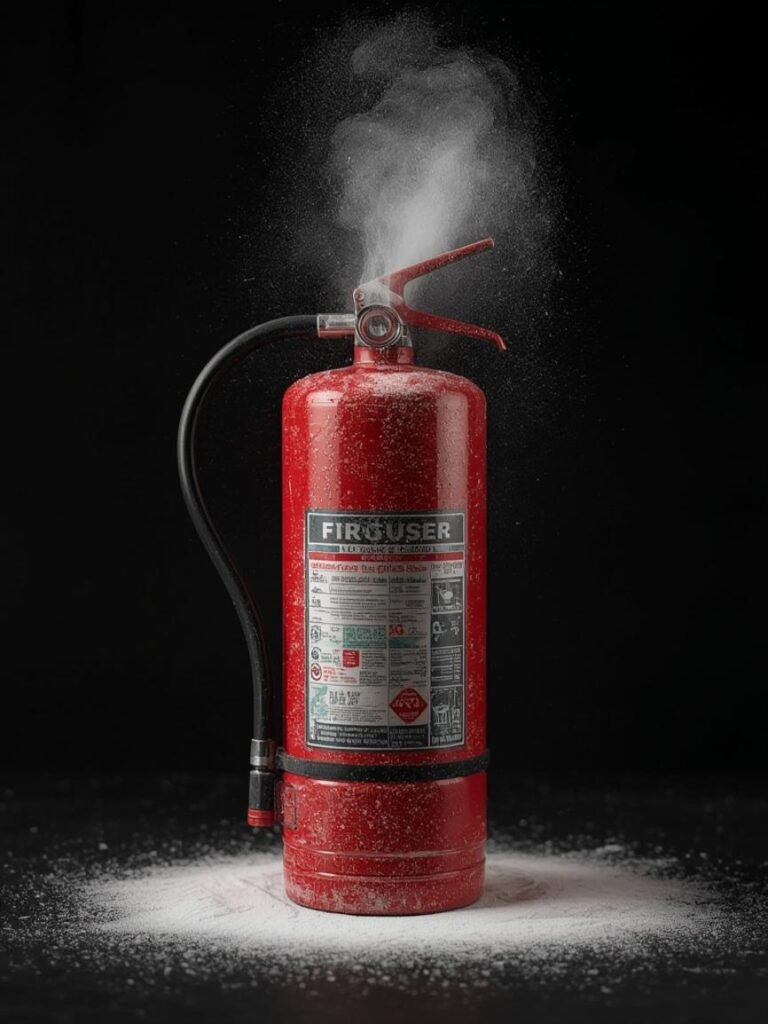
Choosing the right fire extinguisher is one of the fastest ways to reduce damage, downtime, and risk to life—especially in homes, workshops, vehicles, and small businesses where a fire can spread in minutes. Two of the most commonly recommended options for mixed-risk areas are Dry Powder Extinguishers and ABC Dry Chemical Extinguishers. Both are valued for their broad fire-class coverage and fast knockdown, but real-world effectiveness depends on correct selection, placement, and technique. In this guide, you’ll learn a practical, step-by-step way to use a portable extinguisher safely, plus tips to improve readiness and alternatives that may better fit certain environments.
Step-by-Step Instructions
1. Confirm it’s safe to act
– If the fire is spreading rapidly, there’s heavy smoke, or you lack a clear exit route, evacuate immediately and call emergency services.
– Portable extinguishers are designed for incipient-stage fires (small, contained, not producing extreme heat).
2. Identify the fire type (quickly)
– Class A: ordinary combustibles (paper, wood, textiles)
– Class B: flammable liquids (fuel, solvents, oils)
– Class C: energized electrical equipment
In multi-risk spaces like garages or back rooms, many people keep Dry Powder Extinguishers because the powder can interrupt combustion effectively across several common hazards. If you need a widely used multi-class option, ABC Dry Chemical Extinguishers, ABC Dry Chemical Extinguishers, and ABC Dry Chemical Extinguishers are frequently referenced for covering A, B, and C fire scenarios in one unit.
3. Use the PASS method
– P — Pull the pin (break the tamper seal).
– A — Aim low at the base of the flames (not the smoke).
– S — Squeeze the handle to discharge.
– S — Sweep side-to-side, moving closer only if the fire diminishes.
4. Control distance and angle
– Start a few steps back. Many portable units perform best at a short, controlled range.
– Keep the nozzle aimed at the fuel source. If flames reappear, re-sweep the base.
5. Watch for re-ignition
– Some fuels (especially flammable liquids) can re-flash if vapors remain.
– After suppression, monitor the area and be ready to evacuate if heat or smoke increases.
6. After use: do not “hang it back up”
– Even a brief discharge can reduce pressure below reliable operating levels.
– Tag it as used and recharge/replace immediately.
Tips
– Place extinguishers where decisions are made fast
– Near exits and along escape routes—so you can fight the fire while keeping an exit behind you.
– Avoid hiding units inside cabinets or behind stacked inventory.
– Match extinguisher size to risk
– Bigger isn’t always better if it’s too heavy to carry or operate. A unit that can be lifted, aimed, and controlled by the intended user is more likely to be used effectively.
– Maintain readiness with quick monthly checks
– Pressure gauge in the green (if equipped)
– Pin and tamper seal intact
– No corrosion, dents, or blocked nozzle
– Hose and handle in good condition
– Train for muscle memory
– A 2-minute walkthrough (location + PASS) improves response time. Many safety programs find that people hesitate mainly due to uncertainty, not lack of equipment.
– Expect cleanup
– Powder-based agents can leave residue that may require thorough cleaning, especially around electronics and machinery. Planning for cleanup reduces downtime.
Alternative Methods
– CO₂ extinguishers
– Often favored for electrical rooms and sensitive equipment due to minimal residue. However, CO₂ has limited cooling, and re-ignition can occur if the fuel remains hot.
– Foam extinguishers
– Useful for flammable liquids and some Class A materials; foam blankets can reduce vapor release. Not ideal for energized electrical sources unless specifically rated.
– Fire blankets
– Effective for small pan fires (like cooking) or clothing fires. They’re simple, low-mess, and require minimal training.
– Automatic suppression options
– For higher-risk zones (server cabinets, engine bays, small enclosures), consider automatic systems that activate without human intervention—helpful when spaces are unattended.
Conclusion
A portable extinguisher is most effective when it’s the right type, in the right location, and used with a calm, repeatable process. For many mixed-hazard settings, Dry Powder Extinguishers can be a practical choice, while ABC Dry Chemical Extinguishers remain a popular multi-purpose option for addressing common Class A, B, and C risks. Whichever route you choose, prioritize safe decision-making, routine checks, and basic training—because the best extinguisher is the one that works immediately when seconds matter.