
Table of Contents
Introduction to Foam Extinguishers
Choosing the right fire extinguisher isn’t just a compliance checkbox—it’s a decision that affects response time, property loss, and personal safety. In many workplaces (and some homes), liquid-fuel risks and mixed-use spaces call for fast knockdown with minimal re-ignition. That’s where Foam Extinguishers come into the conversation, especially when you’re dealing with flammable liquids (Class B) and, depending on the unit’s rating, surface fires involving ordinary combustibles (Class A). For teams that need a proven film-forming agent for hydrocarbon fuels, AFFF Foam Extinguishers are often selected because they form a thin aqueous film that suppresses vapors and helps prevent flashback.
This guide breaks down how to select, place, and use foam-based extinguishers safely, with clear steps and practical, field-tested considerations.
—
Step-by-Step Instructions
1) Confirm the fire class and fuel source (fast, but accurately).
Identify whether you’re facing ordinary combustibles (wood, paper), flammable liquids (gasoline, solvents), or energized electrical equipment. Foam is commonly used for Class A/B scenarios; never assume it’s safe on energized electrical panels unless the extinguisher label explicitly allows it and the scene is de-energized.
2) Verify the extinguisher label, rating, and agent type.
Read the nameplate: look for A/B ratings, operating instructions, and any prohibitions. If your site policy specifies film-forming foam for hydrocarbon spills, cross-check that the unit is an AFFF Foam Extinguishers model (the label typically states AFFF). This step prevents mismatches between the fuel and the agent.
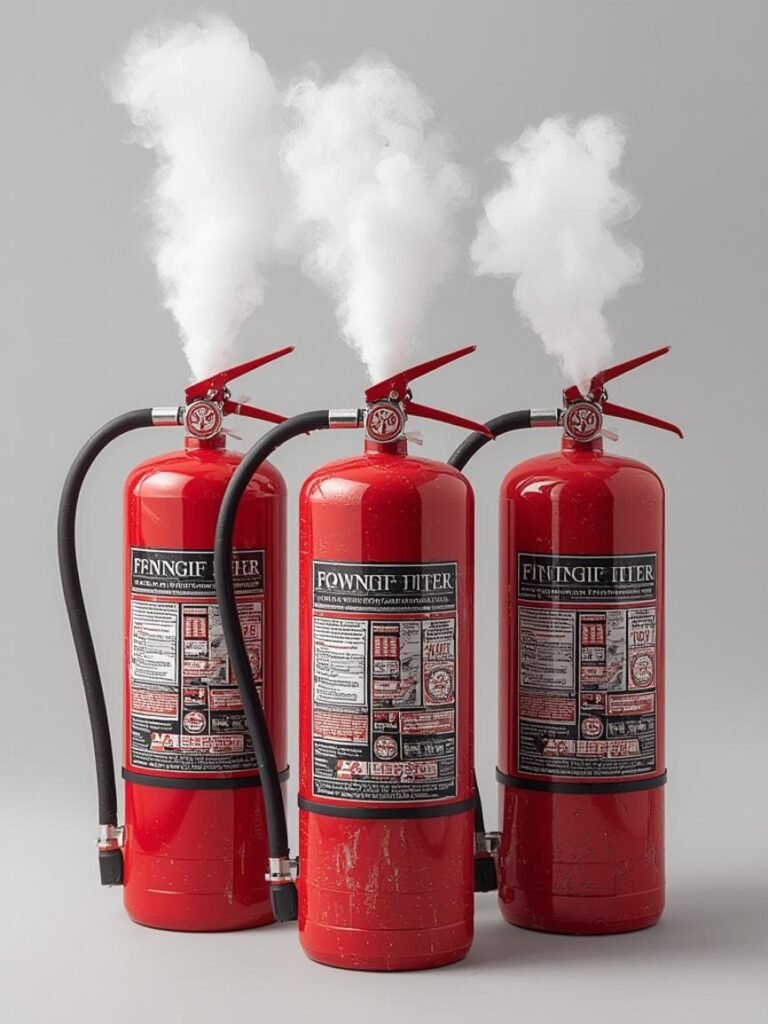
3) Position yourself for safety before you pull the pin.
Stand with a clear exit behind you, keep low to avoid heat and smoke, and approach from upwind if possible. Typical guidance is to start at a safe distance (often several meters), then move closer as the fire diminishes—always maintaining an escape route.
4) Use the PASS technique (with foam-specific aiming).
– Pull the pin
– Aim the nozzle/horn
– Squeeze the handle
– Sweep side to side
For many foam applications, aim at the base of the flames but “lay” the foam gently onto the burning liquid surface when possible—bank it off a surface or use a sweeping motion to avoid splashing fuel.
5) Apply enough agent to secure the seal and prevent re-ignition.
The goal is not just flame knockdown; it’s vapor suppression. Continue application a bit after flames appear out to maintain a continuous foam blanket.
6) Monitor, back away, and call emergency services.
Even after extinguishment, hot surfaces and vapors can reignite. If the fire involved fuel containers, machinery, or unknown chemicals, evacuate and call professionals.
—
Tips
– Inspect monthly, document results.
Check pressure gauge (if present), pin and tamper seal, hose condition, nozzle blockage, and visible corrosion. Simple monthly checks reduce failure rates during real incidents.
– Train for “decision speed,” not just technique.
Many extinguisher failures come from delayed action, wrong unit selection, or poor positioning. Short drills that include identifying fire classes and choosing the right unit improve outcomes more than rote PASS repetition.
– Mind the cleanup and slip hazards.
Foam residue can create slick floors—mark the area and restrict access after use. Plan for appropriate cleanup materials and disposal, especially in industrial sites.
– Avoid common mistakes.
Don’t turn your back on a recently extinguished fuel fire; don’t empty the extinguisher too quickly; don’t stand directly over a spill fire where vapors are concentrated.
—
Alternative Methods
– Fire blankets (limited but useful).
Effective for small pan fires or clothing fires when used correctly, but not a replacement for extinguishers in liquid-fuel environments.
– CO₂ extinguishers for electrical risks.
CO₂ can be appropriate where energized electrical equipment is involved, but it has limited re-ignition resistance in some fuel scenarios because it doesn’t leave a sealing blanket.
– Dry chemical extinguishers for fast knockdown.
ABC dry chemical is versatile and widely used, but it can create visibility issues indoors and may not prevent re-ignition on flammable liquid surfaces as well as foam in some situations.
– Engineering controls and prevention.
Proper flammable-liquid storage cabinets, spill containment, ventilation, bonding/grounding during transfers, and hot-work permits often reduce fire frequency more than any response tool.
—
Conclusion
When used correctly, Foam Extinguishers can provide rapid control of Class A/B fires while reducing re-ignition risk by smothering and cooling the fuel surface. If your hazard assessment includes hydrocarbon liquids where vapor suppression is critical, AFFF Foam Extinguishers may be an especially strong fit due to their film-forming action and proven performance in many industrial and commercial settings. Pair the right equipment with routine inspections, hands-on training, and solid prevention controls, and you’ll dramatically improve readiness when seconds matter.