
Table of Contents
Introduction
Fire safety is an essential aspect of protecting lives, property, and the environment. As technology advances, so do the tools and methods we use to combat fires effectively. Among the innovative options available today is the Water Mist Fire Extinguisher, a versatile and eco-friendly firefighting device gaining recognition worldwide. Known for its precision and safety, this extinguisher uses fine water mist to suppress different types of fires without the dangers associated with traditional extinguishers. When exploring options for comprehensive fire safety solutions, understanding the specifics of the water mist extinguisher and how to operate it can make all the difference. These devices are especially suitable in environments like offices, kitchens, or machinery rooms where quick, effective, and safe fire suppression is critical.
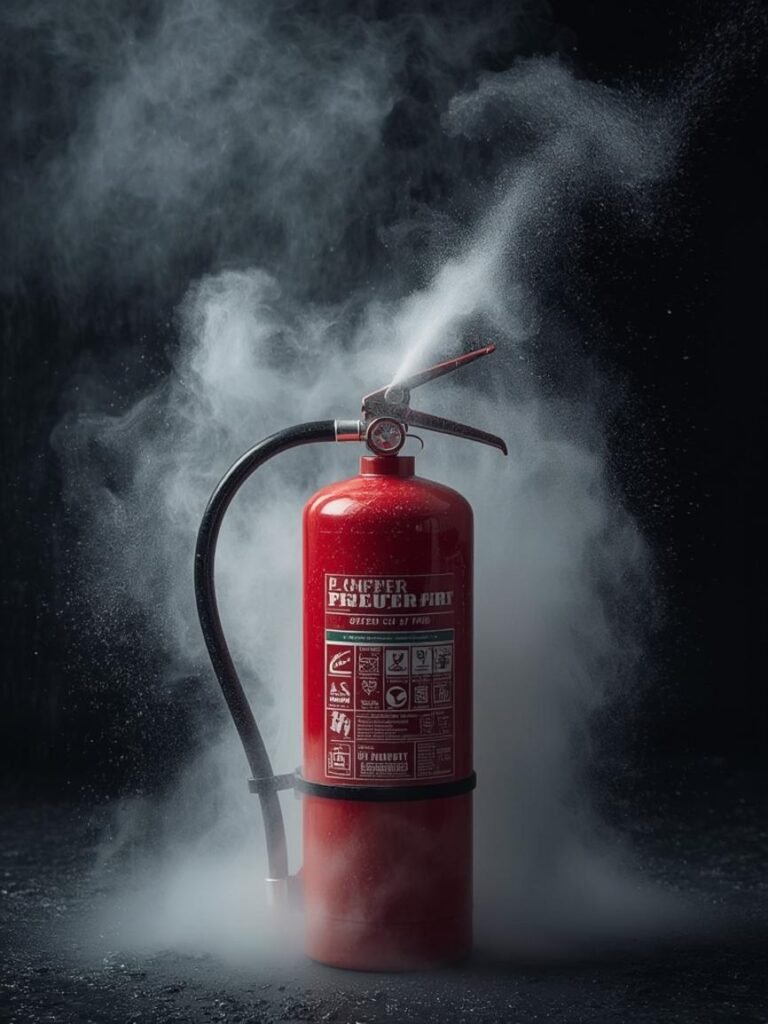
Step-by-Step Instructions
Using a Water Mist Fire Extinguisher is straightforward when you follow proper procedures. Here are the essential steps:
1. Assess the Situation: Ensure that the fire falls within the extinguisher’s scope—mainly, small fires involving ordinary combustible materials or electrical hazards. If the fire is too large or spreading rapidly, evacuate and call emergency services immediately.
2. Pull the Pin: Remove the safety pin from the handle of the Water Mist Fire Extinguisher. This activates the device, preparing it for use.
3. Aim at the Base of the Fire: Point the nozzle or horn directly at the base of the flames, not at the top, to effectively suppress the fire. Using the water mist extinguisher requires precision to maximize their cooling and smothering effects.
4. Squeeze the Handle: Firmly press the handle to release the water mist. Sweep from side to side, covering the entire area of the fire. Remember, the water mist’s fine spray allows for a controlled and safe application, reducing the risk of reignition.
5. Continue Until Extinguished: Keep the spray until the fire extinguishes completely, observing for any signs of reopening or smoldering. Once the flames are out, keep an eye on the area to ensure the fire doesn’t reignite.
6. Post-Use Care: After use, ensure the extinguisher is recharged or replaced as needed and report the incident for safety records.
Tips for Effective Use
– Always familiarize yourself with your water mist extinguisher before an emergency occurs. Training sessions or reading the manual can boost confidence and response times.
– Regularly inspect your device for any damage or leaks to guarantee optimal performance. Many water mist extinguisher models come with maintenance guidelines that should be followed diligently.
– Maintain a safe distance when using the extinguisher—typically about 1.5 to 2 meters from the fire—to prevent injury and ensure effective suppression.
– Consider adding signage and training to increase awareness about the presence and proper operation of these extinguishers in your environment.
Alternative Methods
While the Water Mist Fire Extinguisher is highly effective, different fire scenarios may require alternative approaches:
– Fire Blankets: Suitable for small fires involving cooking fats or electrical appliances. They smother flames by depriving them of oxygen.
– Carbon Dioxide (CO₂) Extinguishers: Ideal for electrical fires, as they do not leave residues and are safe for sensitive equipment.
– Dry Chemical Extinguishers: Versatile and used for a variety of fires, but they may cause damage to electronic devices and leave corrosive residues.
– Foam Extinguishers: Best for fires involving flammable liquids, providing a barrier to prevent reignition.
It’s crucial to choose the right method according to the fire type and setting to ensure safety and effectiveness.
Conclusion
Incorporating the use of a Water Mist Fire Extinguisher into your fire safety plan offers a safe, efficient, and environmentally friendly way to combat small fires. The water mist technology provides precision and minimizes damage, making it increasingly popular across commercial, residential, and industrial environments. Remember, learning how to operate a water mist extinguisher, understanding its applications, and knowing when to use alternative methods are key components of effective fire management. Whether you refer to it as a water mist extinguisher or a water mist extinguisher, keeping it accessible and ensuring proper training will help you respond swiftly and confidently in emergency situations. Preparedness and knowledge remain your best defenses against fire hazards.